
The number on the box is the least interesting thing about it
എണ്ണമല്ല, ഓരോ ചോദ്യവും എന്ത് ചെയ്യുന്നു എന്നതാണ്.
Every platform advertises a question count, ours included. It is a nearly useless number, and I would rather explain what makes a question bank actually work than compete on the size of it.
You can answer ten thousand questions and improve at almost nothing. It happens constantly. The questions get answered, the score is noted, the next set begins, and nine months later the marks are where they started.
What a question is actually for
A question has two possible jobs, and only one of them is worth much.
Measurement — telling you whether you know something. Useful, but you only need a handful of questions per topic to establish it.
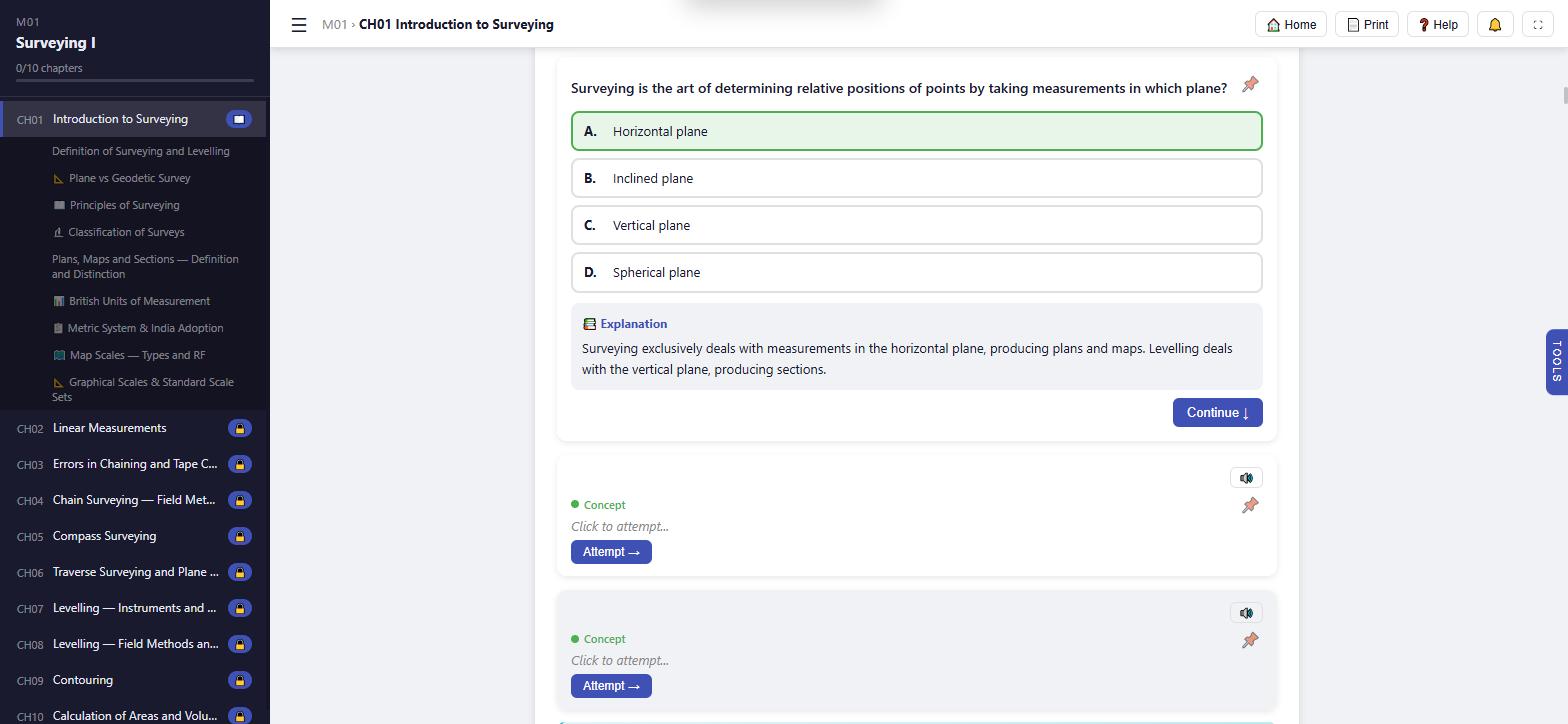
Instruction — teaching you something at the moment you are most able to learn it, which is the instant after you have committed to a wrong answer. That is when your attention is genuinely engaged, because you have just discovered a gap between what you thought and what is true.
The value of a practice question is almost entirely in the ten seconds after you answer it. A bank that scores you and moves on has thrown away the part that was worth having.Santhosh Sir
This is why every question in our e-books carries a written explanation, not a tick or a cross.
Why the volume is needed anyway
Having said the count barely matters — it does matter for one specific reason, and it is worth being precise about which.
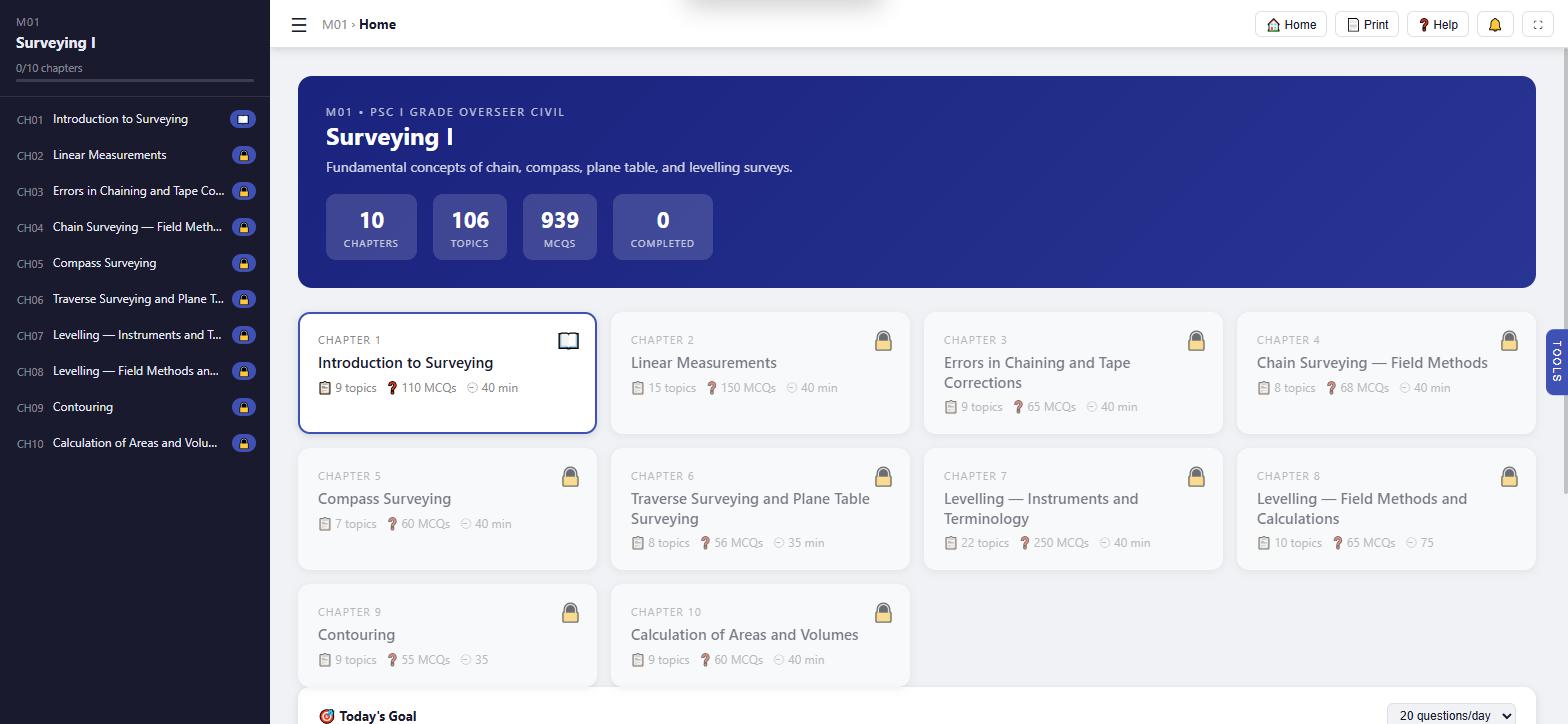
The papers are not mostly testing whether you know things. They are testing whether you can tell two things apart under time pressure. Plan against map. Horizontal against vertical circulation. The bearing rule that changes with the phrasing of the question.
You cannot build that discrimination from three questions per topic, because three questions will not phrase the idea three genuinely different ways. It takes volume — not to cover more topics, but to meet the same topic from enough angles that a rephrasing stops being able to fool you.
So how many questions is actually enough?
A more useful question than the headline total, and it has two different answers depending on which job you are asking the questions to do.
For measurement — establishing whether you know a topic — five to ten per topic is plenty. Beyond that you are re-confirming something you have already established.
For discrimination there is no per-topic number at all, because the unit is not the topic. The unit is the confusable pair. You need to have met plan-versus-map from both directions, the bearing rule under both phrasings, circulation area against both bases. Enough is when neither side of a pair can surprise you.
Which is why depth per chapter is the figure worth looking at, and the grand total is close to meaningless. A bank of fifty thousand questions spread thinly across everything is weaker than a smaller one that goes properly deep on the twenty pairs that actually decide papers.
Why the difficulty mix is deliberate
Three levels, doing three different jobs. Easy questions confirm you hold the definition — worth little on their own, but you cannot skip the step. Medium questions test whether you can apply it to a situation you have not seen phrased that way. Hard questions test discrimination and multi-step work, which is where papers are actually won and lost.
A bank that is all easy flatters you and teaches nothing. A bank that is all hard destroys confidence and never builds fluency. The proportions are set per level on purpose, and they are not the same for an ITI paper as for an AE one.
Assertion-reason questions are not decoration
Students often skip these, and they are exactly the wrong ones to skip. An assertion-reason question makes you judge two separate statements and whether one actually explains the other — which is discrimination in its purest form, with nowhere to hide.
If you can reliably handle assertion-reason and statement-type questions on a topic, you know that topic in a way that answering twenty ordinary multiple-choice questions on it does not demonstrate.
The previous-year papers are a different instrument
Fresh practice questions and real past papers do two different jobs, and using one for the other's job wastes both.
Practice questions teach. Past papers calibrate — they tell you what the real difficulty is, which topics genuinely repeat, and how the examiner actually phrases things. No amount of authored practice fully substitutes for that, because we would be guessing at a style that the papers themselves record exactly.
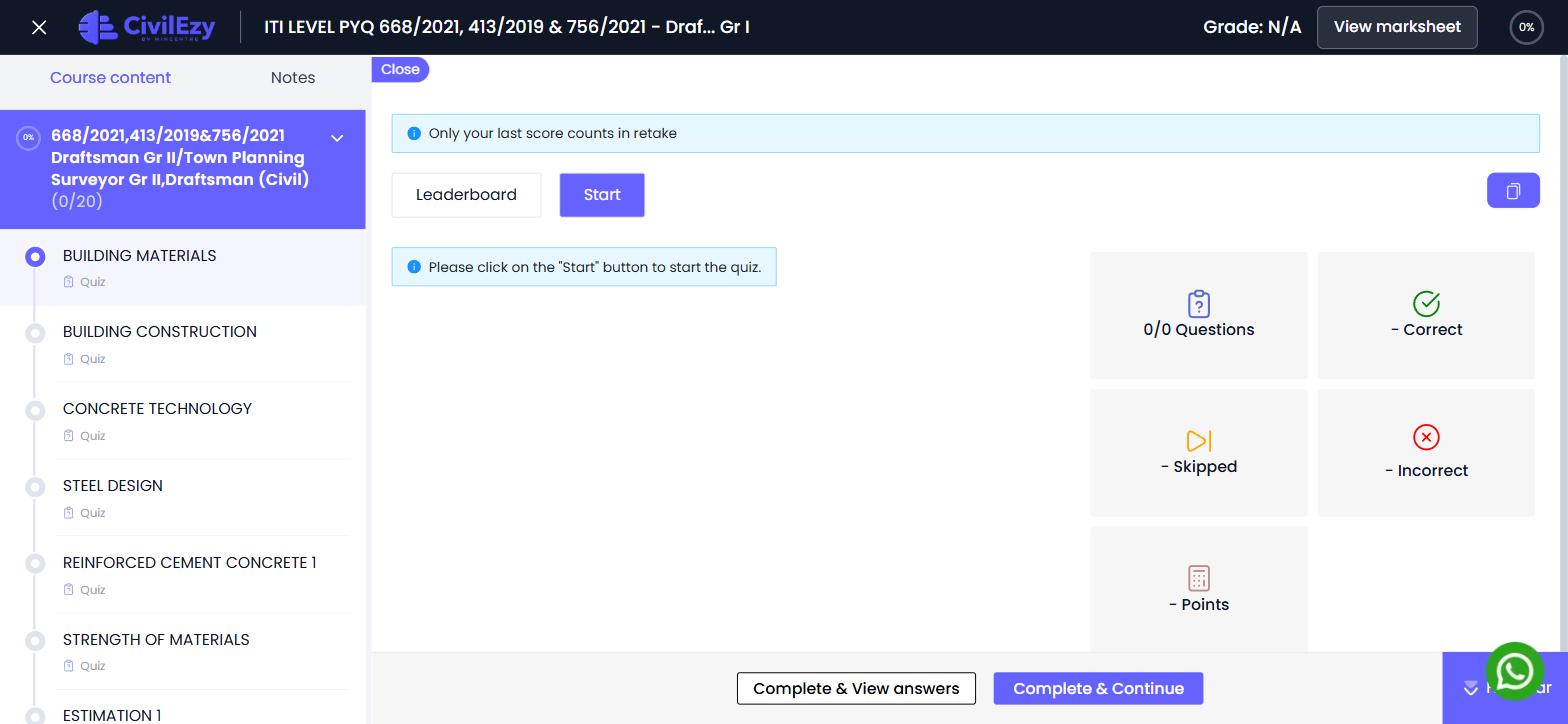
Notice the papers are broken up by subject rather than served whole. A full paper gives you one number at the end. The same questions grouped by subject tell you which subject is costing you the marks — and that is a finding you can do something about on Tuesday.
Note also that skipped is counted on its own, beside correct and incorrect. Under negative marking, leaving a question alone is a legitimate decision and should be visible as one, not quietly folded in with your wrong answers.
Then the exam, under the conditions that actually apply
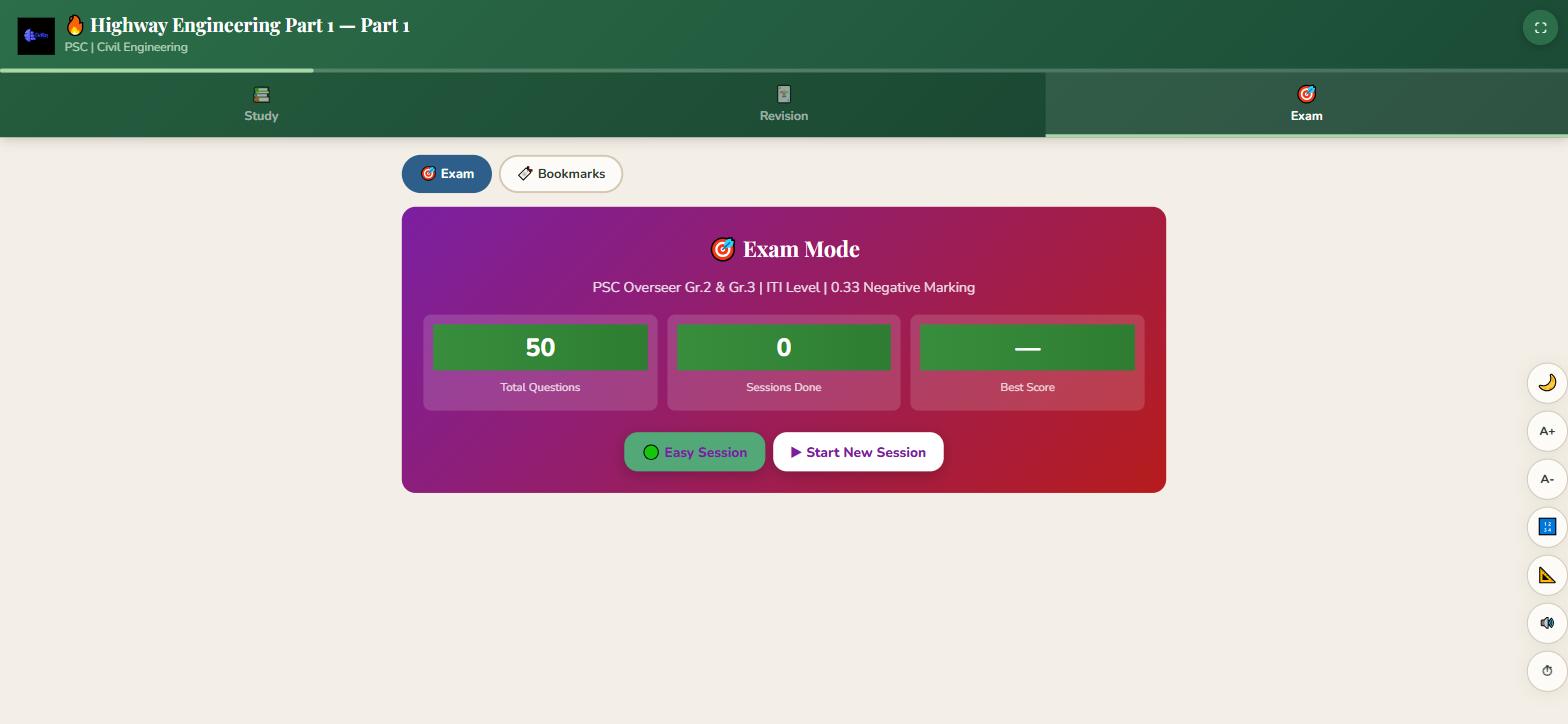
Practising without the penalty trains the wrong instinct. With nothing to lose, a half-known question is worth a guess — and you will build the habit of guessing. With the penalty, you have to judge whether you know, which is a separate skill from knowing, and one that only develops under the penalty.
How to actually use a question bank
If you take one thing from this page, take this list:
- Read every explanation on a question you got wrong. Non-negotiable. This is the entire product.
- Read the explanation on questions you got right but were unsure about. A lucky mark is a gap that has not surfaced yet.
- Do not do a topic's questions in one block and never return. Come back after you have half-forgotten it.
- Once a topic is solid, mix its questions with its neighbours, so you have to work out which rule applies rather than being told by the heading.
- Track which subject the errors cluster in, not how many there were. The count is not actionable; the cluster is.
None of that requires our e-books specifically. It requires a bank that explains itself and a habit of reading the explanations — and the habit is the harder half.